What Responsibility Looks Like When Nobody is Counting
A Conversation About Respect and accountability
The recent allegations surrounding the sexual assault case at Cornell University have sparked conversations that extend far beyond a single campus. They force us to confront difficult but necessary questions about responsibility, accountability, respect, and the role each of us plays in creating safe communities. While CrossFit and college campuses may seem worlds apart, both are built on the same fundamental truth: a community is only as strong as the standards its members are willing to uphold.
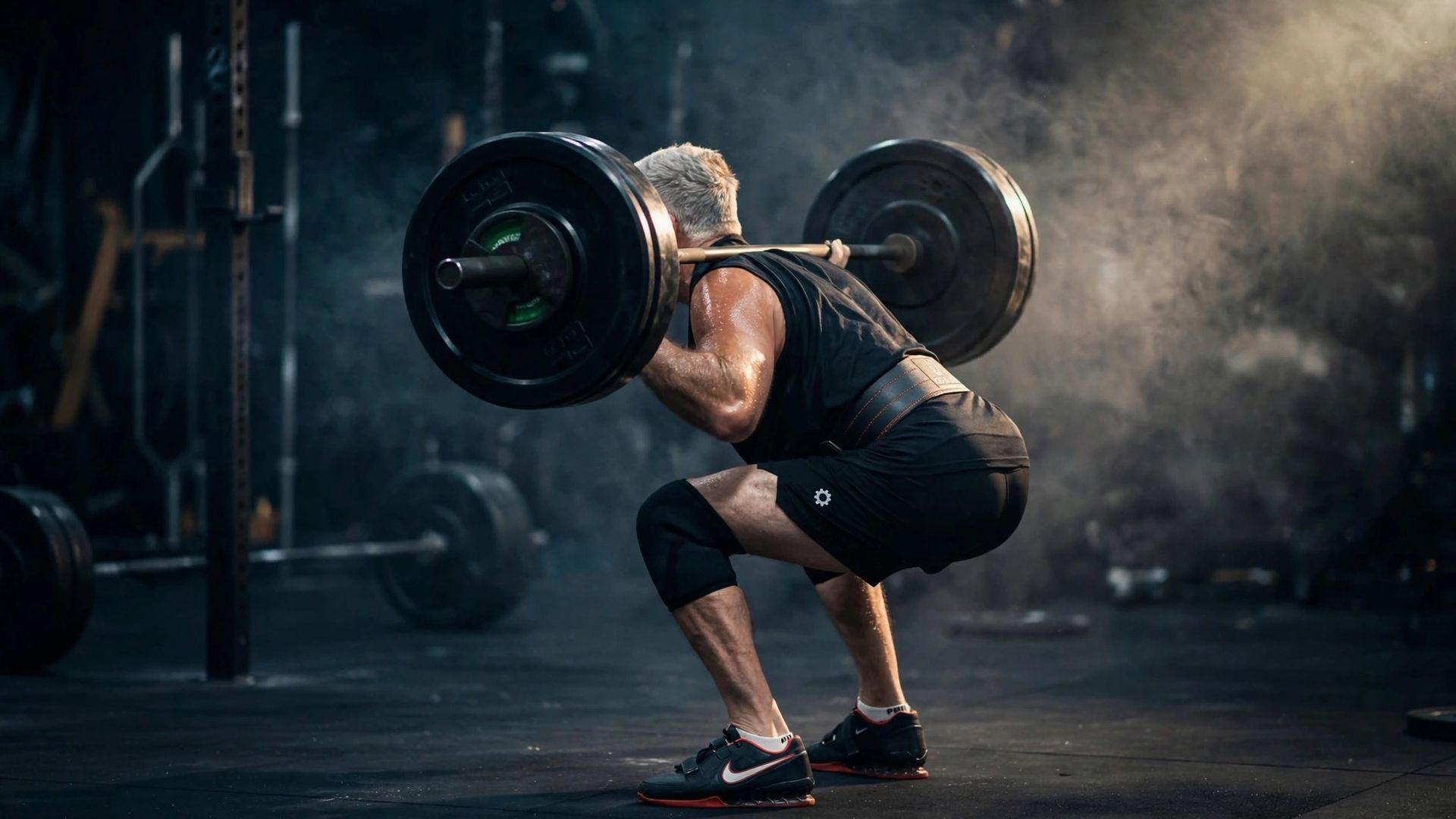
In CrossFit, we often talk about doing the right thing when the coach isn't watching. We call our own reps. We admit when we missed the standard. We take responsibility for our mistakes because integrity matters more than a number on a whiteboard. The strongest athletes are not simply those who lift the most weight or finish first. They are the people who demonstrate character when it would be easier to stay silent, look the other way, or place their own comfort above what is right.
The lessons learned in the gym have value far beyond fitness. Respect means recognizing the dignity and humanity of every person. Accountability means speaking up when something is wrong. Responsibility means understanding that our actions, and sometimes our inaction, can affect the safety and well-being of others. These are not athletic skills. They are life skills. And in moments when communities face difficult truths, they become some of the most important strengths a person can possess.
A Message to Fathers, Coaches, Mentors, and Male Role Models
The Cornell event remind us that character is not built during life's easy moments. It is revealed during its difficult ones.
For my fellow fathers, we spend years teaching our sons how to shake hands, keep their promises, work hard, and stand up for what's right. But some of the most important lessons happen during the uncomfortable conversations.
We need to teach our sons that strength is not about getting their way. It is about respecting boundaries, treating every person with dignity, and understanding that "no" is a complete sentence. We need to teach them that being a good man means looking out for others, speaking up when something isn't right, and having the courage to hold their friends accountable.
If we want a better future for our daughters, sisters, wives, and friends, it starts with raising sons who understand that respect is not optional. It is a responsibility.
At the same time, not every boy has a father in his corner. That means coaches, teachers, mentors, uncles, older siblings, and community leaders often become some of the most influential voices in a young man's life.
If you work with boys and young men, don't limit your mentorship to athletic performance, academics, or career goals. Teach respect. Teach accountability. Teach consent. Correct sexist language when you hear it. Challenge attitudes that reduce women to objects or conquests. Make it clear that strength and masculinity are not defined by dominance, entitlement, or control, but by integrity, self-discipline, empathy, and respect for others. Lead by example.
Whether it's around a dinner table, in a classroom, or in a gym, the lessons we reinforce become the standards young people carry into adulthood. Every time a father has an honest conversation with his son, every time a coach refuses to laugh at a degrading joke, every time a mentor speaks up about respect, and every time a trusted role model demonstrates healthy behavior, a lesson is being taught.
The question is not whether young men are learning from us. The question is what we are teaching them. Character, respect, and accountability are not values that develop by accident. They are intentionally modeled, intentionally taught, and intentionally passed from one generation to the next.
A Message for the Women
For our female members reading this, here's something worth remembering: You belong.
In the gym.
In leadership.
In competition.
In boardrooms.
In conversations that shape the future.
You do not need to shrink yourself to make others comfortable.
You do not need permission to take up space.
You do not need to apologize for being ambitious, strong, confident, or capable.
Every time you step up to a barbell that looks intimidating, every time you advocate for yourself, every time you support another woman, you're demonstrating a kind of strength the world desperately needs and until such a time comes where you no longer need to advocate for yourself, we will be alongside you, supporting you, and cheering you on.
And just like a tough workout, the load becomes easier when a community stands beside you.
Resources: Because “See Something, Say Something” Applies Outside the Gym Too
Let's be clear: respecting women isn't just about what we don't do. It's also about what we do when we become aware of behavior that could put someone at risk. Just like we'd never ignore another member pinned under a failed bench press, we shouldn't ignore situations involving harassment, assault, stalking, domestic violence, or other concerning behavior.
If Someone Is in Immediate Danger
Call 911 or your local emergency services immediately.
If You Have Experienced Sexual Assault or Need Support:
RAINN (Rape, Abuse & Incest National Network)
- National Sexual Assault Hotline
- Call: 800-656-HOPE (4673)
- Online chat available 24/7 at https://www.rainn.org
RAINN can provide confidential support, crisis intervention, and connections to local resources.
Domestic Violence Support
National Domestic Violence Hotline
- Call: 800-799-SAFE (7233)
- Text: START to 88788
- Website: https://www.thehotline.org
For Students, most colleges and universities have:
- Title IX coordinators
- Campus police or security
- Student support services
- Counseling centers
If you're on a campus, learn where these resources are before you need them.
For CrossFit Athletes and Gym Members, if concerning behavior occurs within a gym community:
- Report it to gym ownership or management.
- Document what you observed or experienced.
- Follow any established reporting procedures.
- If criminal conduct may have occurred, contact law enforcement.
Remember: reporting concerns is not "causing drama." It's called protecting your community.
Final Thoughts
CrossFit teaches us that stronger is better. But stronger doesn't just mean bigger deadlifts. A stronger community is one where sons grow into men who respect women. A stronger community is one where concerns are reported rather than ignored. A stronger community is one where people look out for each other. Finally, a stronger community is one where every athlete, regardless of gender, feels safe enough to focus on what really matters… Arguing about whether burpees were invented by an evil wizard because if we're being honest, that's still the most suspicious thing happening in most gyms.
Train hard. Respect harder. And remember: The true test of character isn't how much you can lift. It's how well you lift up the people around you especially when no one is around to hold you accountable.
Recent Posts